.JPG)
The promises we break quietly
I’ve been thinking about this a lot lately, especially when it comes to health and training.
Not in a dramatic way, but in the everyday sense of watching people struggle with decisions they already know the answer to. Most of us don’t lack information. We know that moving regularly, eating a bit better, and taking care of ourselves matters.
What’s harder is valuing ourselves enough to consistently act on that knowledge.
Life gets full. Work becomes demanding. Family needs attention. Stress creeps in. Health slowly turns into something we promise to deal with later, not because we don’t care, but because something else always feels more urgent.
Over time, those small postponements add up. The cost is usually paid in energy, confidence, and how we feel in our own bodies.
Training without a goal vs training with purpose
One thing I’ve noticed over the years is how different training looks when someone has a clear goal.
When you train with purpose:
- sessions make more sense
- effort feels more intentional
- progress is easier to notice
Without a goal, training can quietly turn into just another task. You show up, move, sweat, and leave. That’s not wrong in the short term, but long term it often leads to stagnation or losing interest altogether.
Purpose changes how we engage, not just how we train.
.JPG)
The quiet promises that do the most damage
The most damaging promises aren’t the ones we make publicly.
They’re the quiet ones we make to ourselves without anyone holding us accountable:
- “I’ll start next month.”
- “I’ll get back into it when things calm down.”
- “I just need more time.”
No one else hears those promises. No one calls us out when we break them.
But we do.
And when it happens repeatedly, something subtle shifts. We start trusting ourselves less.
When stories replace truth
Over time, broken promises turn into labels.
People start saying things like:
- “I’m just not consistent.”
- “I’ve never been sporty.”
- “Why even start? I always fall off eventually.”
These feel like facts, but they’re usually just stories built from repeated experiences under pressure, often without support.
You’re not an “xyz person.”
You’re a person who has practiced certain patterns, and patterns can change.
Choosing yourself is a skill
Prioritizing your health isn’t about being extreme or perfect. It’s not about suddenly becoming disciplined overnight.
It’s a skill.
A skill built by:
- setting realistic commitments
- showing up when motivation is low
- keeping small promises consistently
That’s how confidence comes back. Not through motivation, but through follow-through.
A simple checklist you can use today
🟢 If you have a goal for this year, this month, or just today, it doesn't matter how small it is.
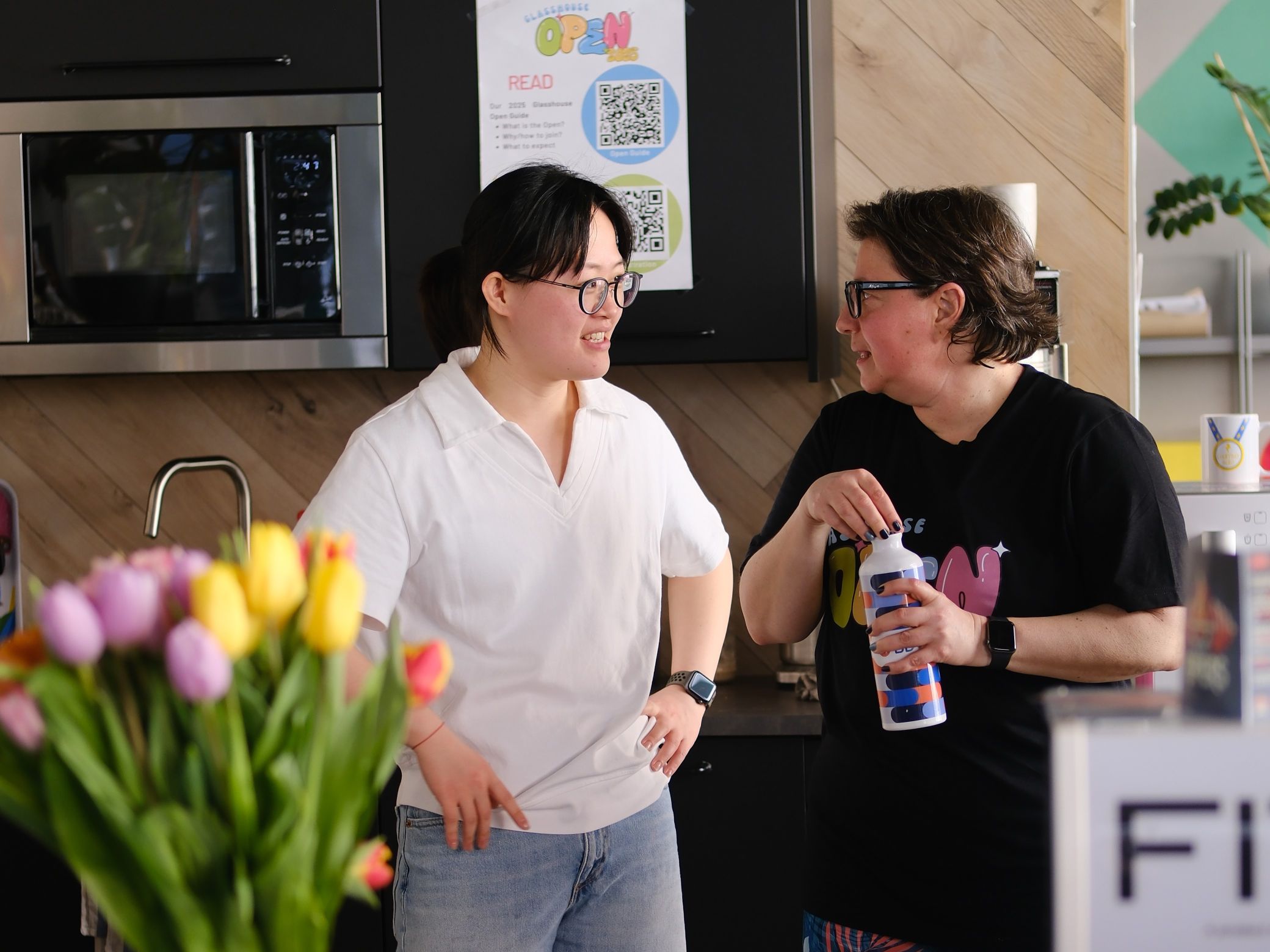
Find someone and tell them about it. It could be your partner or a close friend, but I actually found a colleague or a coach might be even better. Someone who doesn't know you that well and will have no problem calling you out if you don't follow through.
🟢 Once you have your goal and accountabilty partner
Take the first step today, doesn't matter how small.
- Want to get fitter and feel better -> Go for a walk
- Want to lose weight -> Make just one better choice today e.g vegetables instead of fries
- Want to have more energy -> Put the phone down 30 minutes before bed
James Clear explains this beautifully in his popular book "Atomic Habits" - highly recommended
🟢 If you goal involves improving your health and getting in shape
Talk to us at CrossFit Glasshouse, tell us about your goals and make us become your accountability partner. We start everyone with a conversation to find your motivation and see if we are the right fit for your goals.
This isn’t about perfection. It’s about choosing yourself often enough that you start believing yourself again.
And from a coaching perspective, that’s always the real work.
.jpg)
.JPG)


